Start With Whatever Touches You Longest: How to Prioritise Low-Tox Swaps
Most low-tox guides are sorted by how alarming an ingredient sounds. Sort by contact time instead and the order inverts completely.
Here are four things you already own, ranked by how long they are actually touching you on an average day.
- Air: 24 hours a day.
- Clothes: around 16 waking hours.
- Your bed: 8 hours a night.
- Hand wash: about 20 seconds. Even a dozen washes a day is under five minutes.
That is the entire argument. The product the internet argues about most is the one you are in contact with least, and the three that never stop are the three nobody makes content about.
Sort by how long something touches you, not by how frightening its ingredient list looks on a graphic.
Air: the one you never stop
The US Environmental Protection Agency reports that people spend roughly 90 per cent of their time indoors, where concentrations of some pollutants commonly run two to five times higher than outdoors. An Australian review covering 25 years of indoor air research found new homes carried some of the highest volatile organic compound concentrations measured, and new homes and caravans the highest formaldehyde.
We do not sell air purifiers. Opening a window is free, and it is the most useful thing on this page.
Clothes: the one nobody counts
You are dressed for most of your waking hours, in fabric that holds whatever you last washed it in. Not all of it rinses out. It sits in the weave, against skin, all day.
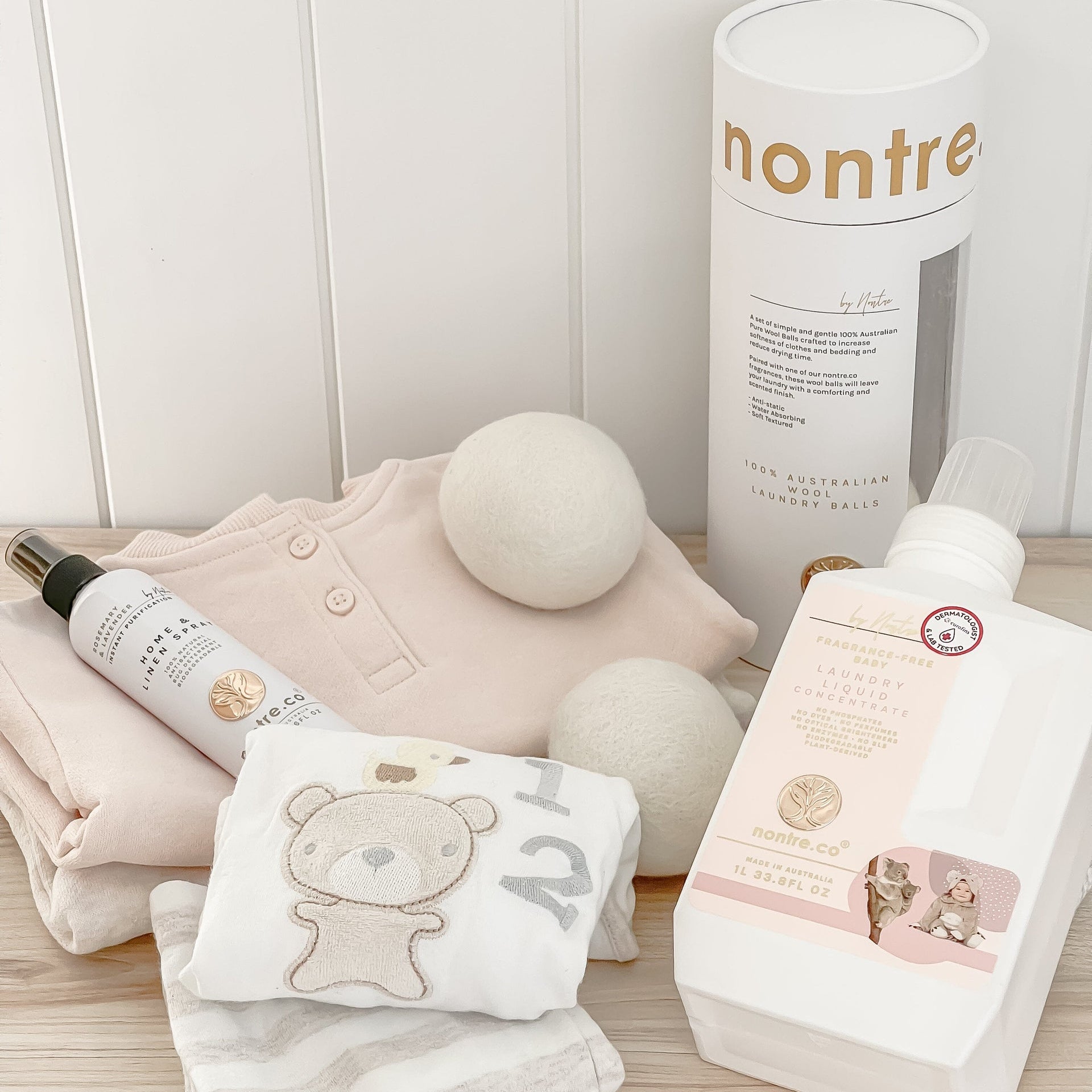
Which makes laundry detergent the highest contact-time cleaning product in the house, and the one almost nobody thinks about, because it never touches you directly. It just never stops.
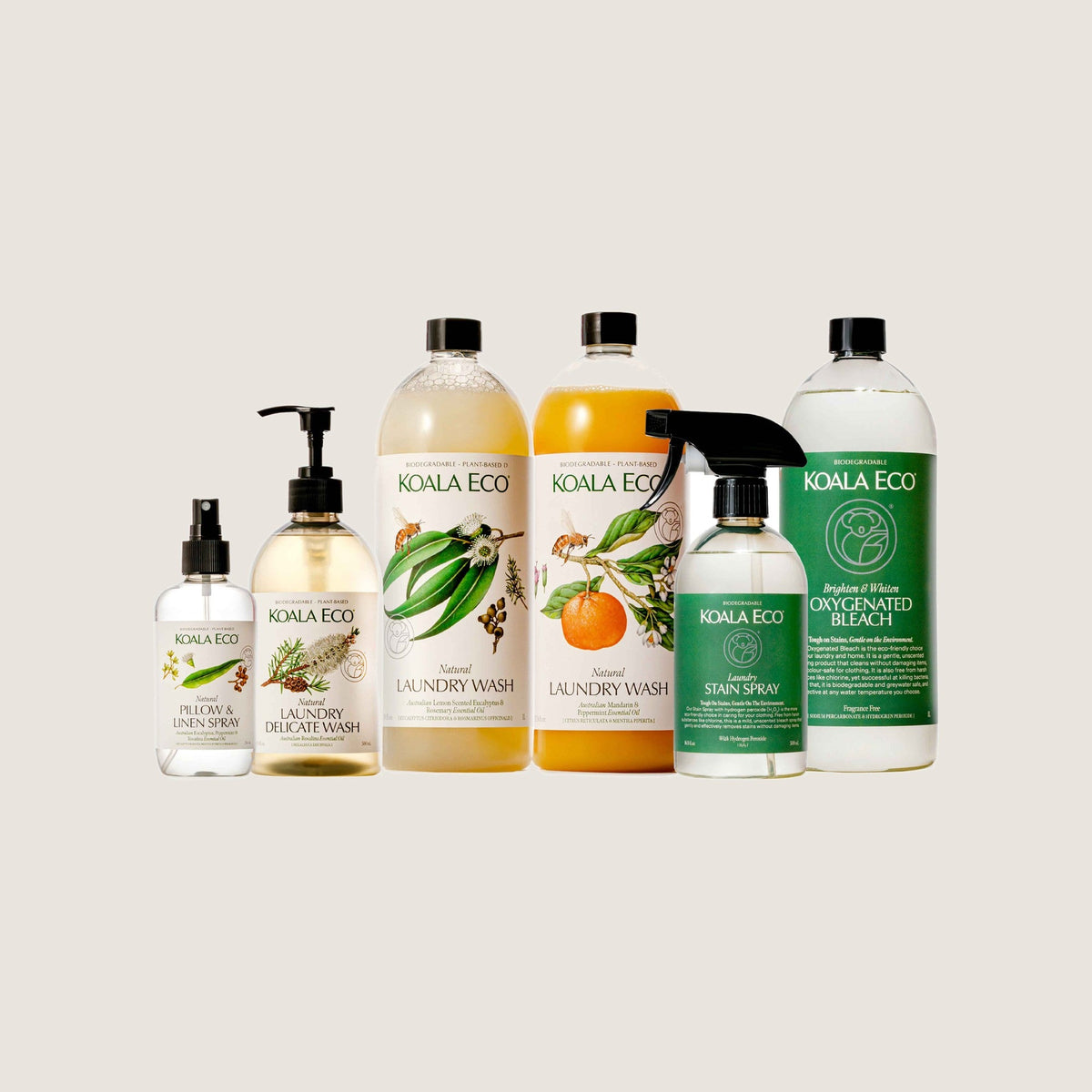
If your skin is reactive, start with a fragrance-free wash. The Nontre.co Fragrance-Free Non-Irritant Concentrate is the one we point most people at, and the rest of the laundry range is worth a look once you know what your skin prefers.
Your bed: the highest contact-time product in the house
Seven to nine hours a night, whole body, skin against fabric, for the years a mattress and its bedding last. Nothing else you own comes close.
It is also the least researched category, because a bed is bought once and forgotten while a spray is bought monthly and agonised over. That is exactly backwards.
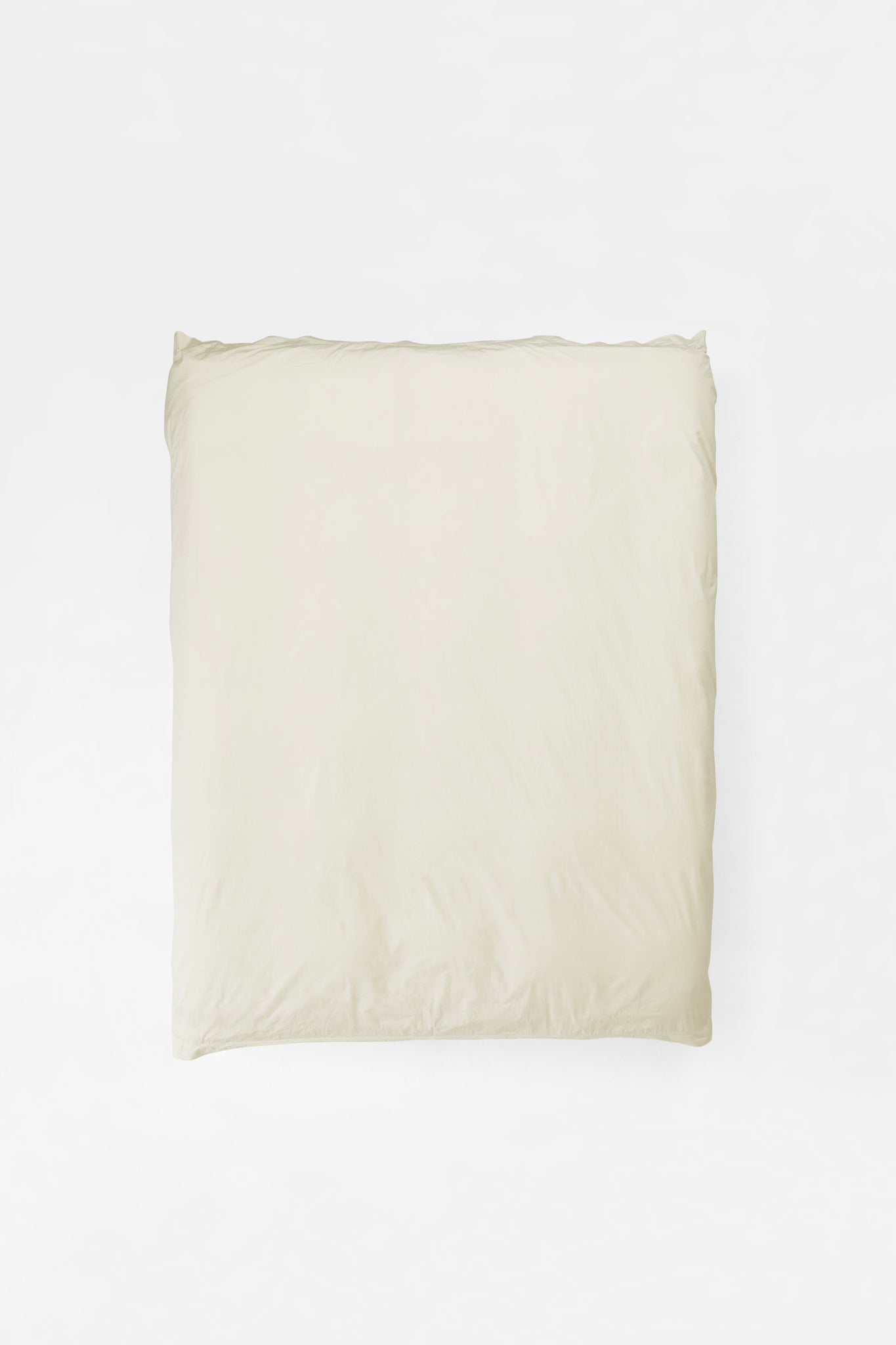
What to look for is a certification rather than a marketing word. GOTS covers the organic fibre and the conditions it is processed under, and it prohibits azo dyes that release carcinogenic arylamines, along with chlorine bleaching and formaldehyde finishes. Our bed linen is GOTS and Fairtrade certified organic cotton, woven as percale rather than sateen because a flat weave breathes instead of clinging, which matters far more in an Australian summer than a large thread-count number does. The Studio Sutram Canvas duvet cover is the easiest place to start, down to coconut husk buttons instead of plastic ones.
If you change one thing this year, change this.
Hand wash: the one everyone argues about
Applied, lathered, rinsed. Brief contact, and where almost all of the internet's low-tox energy goes.
It still matters. A plant-based formula is a genuine improvement on a supermarket one, and it is a cheap, easy switch. It simply does not matter most, and we would rather say so than sell you a hierarchy that is not true.
The Australian number worth knowing
Research led by Professor Anne Steinemann at the University of Melbourne, published in Preventive Medicine Reports from a representative national sample of 1,098 people, found that 33 per cent of Australians reported adverse health effects from fragranced consumer products: headaches, breathing difficulties, dizziness, rashes and more. Of those, 17.1 per cent were severe enough to be considered disabling under the Disability Discrimination Act, and 7.7 per cent of Australians had lost work days or a job in the previous year because of workplace exposure.
It is self-reported, which is a genuine limitation and we are not going to hide it. It is also a national sample, peer reviewed, and about Australia rather than somewhere else. If you have ever felt unwell walking past a scented candle shop, you were not necessarily imagining it, and you are certainly not alone.
We sell candles. Let us deal with that.
We stock incense, candles, room sprays and diffusers, and have just quoted research at you about fragranced products. Scented candles were explicitly among the categories in that study. So here is our position, and you are free to disagree with it.
- If you react to fragrance, do not buy them. Not a softer version, not ours either. If you have asthma, migraines or a fragrance sensitivity, Fragrance Free is the only part of the shop we would point you at.
- Contact time is the distinction we draw. A plug-in running twenty-four hours a day in a closed room is not the same exposure as a candle burned for an hour with a window open. Same logic as the ranking above. Not an exemption, a dose difference.
- We cannot tell you every scented thing we sell is purely essential oil. Some are. Some use a blend including synthetic aroma compounds, and where that is true the product page says so rather than hiding behind the word natural.
- And open a window. Free, effective, and still the best thing here.
Where to start this week
In order, and none of it needs doing at once:
- Open a window while you clean, and for ten minutes after.
- Change your laundry wash when the bottle runs out, fragrance-free first if your skin is reactive.
- Change your bed linen the next time you replace it, and look for GOTS rather than a thread-count claim.
- Then, and only then, worry about the hand wash.
If you want that order narrowed to your own house, the low-tox quiz is five questions and comes back with the room to start in.
If you would like the longer version, our free resources page lists the tools we actually use to check a label, and our free seasonal guide walks the same idea through room by room.

Written by Felicia Byrne