What 'Low-Tox' Actually Means, and What the Label Is Not Required to Tell You
Low-tox is a phrase with no legal definition. Any brand may use it, on anything, and many do. That is not a scandal so much as a gap, and the gap is worth understanding, because it is the difference between reading a product and reading a label design.
The part most people do not know
Australia has a mandatory standard for ingredient labelling. It requires suppliers to list every ingredient in descending order by volume or mass, with colour additives last. It is enforceable, and it is specific.
It applies to cosmetics: things intended for contact with the body. Shampoo, hand wash, body wash, toothpaste. Turn one over and the full list is there because the law requires it to be.
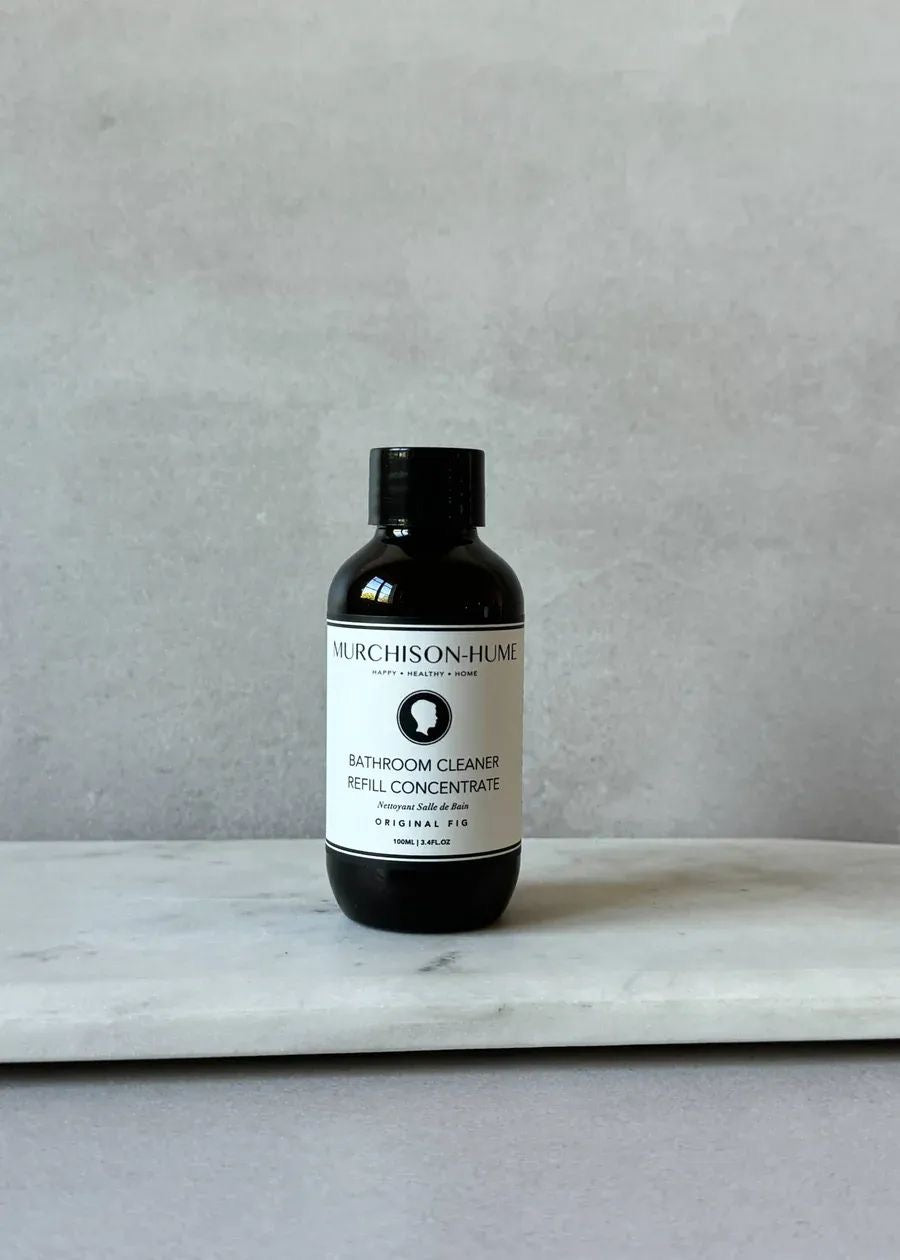
The surface spray you use on the bench is not a cosmetic. It sits outside that standard.
The bottle you rub into your skin must tell you everything. The bottle you spray on the surface your food touches does not have to.
Some manufacturers publish their full household cleaning formulations anyway. Many publish a partial list. Some publish nothing beyond the handful of ingredients that make an attractive story. All three are legal, which means disclosure on a household cleaner is largely a choice a brand makes rather than an obligation it meets.
Why that turns disclosure into the signal
Once you know the list is voluntary, its presence starts to mean something. A brand publishing every ingredient on a product it was never required to itemise has decided it would rather be read than admired. That is a reasonable thing to select for, and it is cheaper than a chemistry degree.
The words that do no work
These appear constantly and carry no defined meaning in this context. They are not lies. They are simply not information.
- Natural. Undefined. Crude oil is natural.
- Eco, green, earth-friendly. Undefined, and set by whoever printed the label.
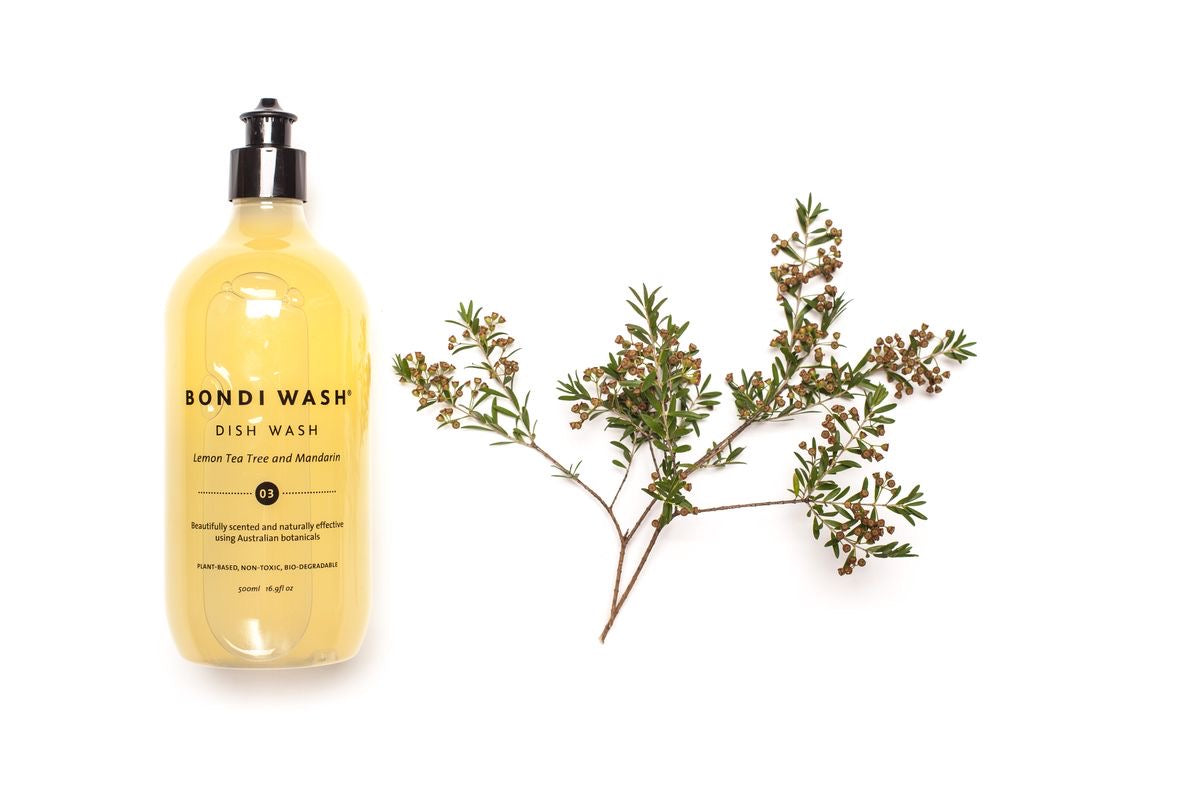
- Non-toxic. Undefined, and the least useful of all, because toxicity depends on dose, route and duration rather than on a word.
- Plant-based. Sometimes meaningful, sometimes describing one ingredient in a long list.
The words that do
What follows is not a list of villains. It is a list of things that are specific enough to check.
- Named surfactants rather than a category. A named ingredient can be looked up. A category cannot.
- Named essential oils rather than fragrance or parfum. Those two words are permitted to stand in for a blend, so a short named list tells you more than a long unnamed one.
- A stated dilution or concentration. A brand that tells you how far a bottle goes is telling you what is actually in it.
- A full list published somewhere. On the bottle, on the product page, on the brand's site. Published is the point.
Certifications, and the honest limits of each
Certifications are useful precisely because they are defined, which is more than most label language manages. They are also narrower than they look, and worth knowing individually rather than as a general glow.
- GOTS covers organic fibre and the environmental and social conditions it is processed under. It is a process standard as well as a content one, which is why it is the one we look for on bed linen.
- OEKO-TEX STANDARD 100 tests the finished textile against a list of substances. It is a product test rather than a process audit, so it tells you about the fabric in your hands and not about how it was made.
- FSC covers forestry, so it speaks to where the timber or paper came from and not to what was applied to it afterwards.
None of the three is a complete claim on its own, and a brand that names which one it holds is more useful than a brand that gestures at certification generally.
How we handle it
We publish a Pūrē Standard score for every product we stock, across material safety, sustainability, manufacturing transparency and packaging. Every score is published, including the ones with room to improve, because a shelf where everything scores full marks is a shelf nobody graded.
Manufacturing transparency is the category that most often has room to improve, and it is usually for the reason this article is about: the brand was never required to disclose, and so did not.
If you would like the tools rather than the shelf, our free resources page lists what we actually use to read a label, and our cleaning edit and fragrance-free range are where the thinking above has already been applied.
If you would rather start with your own house than with a label, the low-tox quiz is five questions and comes back with the room to begin in.
Sources: the ingredient labelling requirement for cosmetics is the Cosmetics Ingredients Labelling mandatory standard, published by the ACCC.

Written by Felicia Byrne