


Cellulose Sponge
Wood Pulp, Not Foam
Nothing but the bare basics: a kitchen sponge made from natural wood pulp and cotton fibres rather than plastic foam.
- Fully compostable and biodegradable
- Dye-free and non-scratch
- Highly absorbent, resists stains
- No plastic foam, no synthetic scourer
For Christmas, order by 16 December, or 18 December in WA. All dates
Nothing but the bare basics: a kitchen sponge made from natural wood pulp and cotton fibres rather than plastic foam. Highly absorbent, non-scratch, dye-free, and fully compostable at the end of its life. Two versions, and they are genuinely different things.
Which One Do I Need?
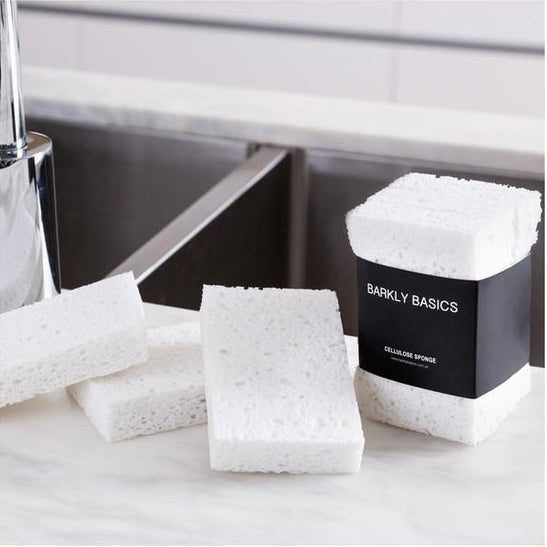
- White, pack of 3. A standard moist cellulose sponge, ready to use. 12cm x 7cm x 2cm.
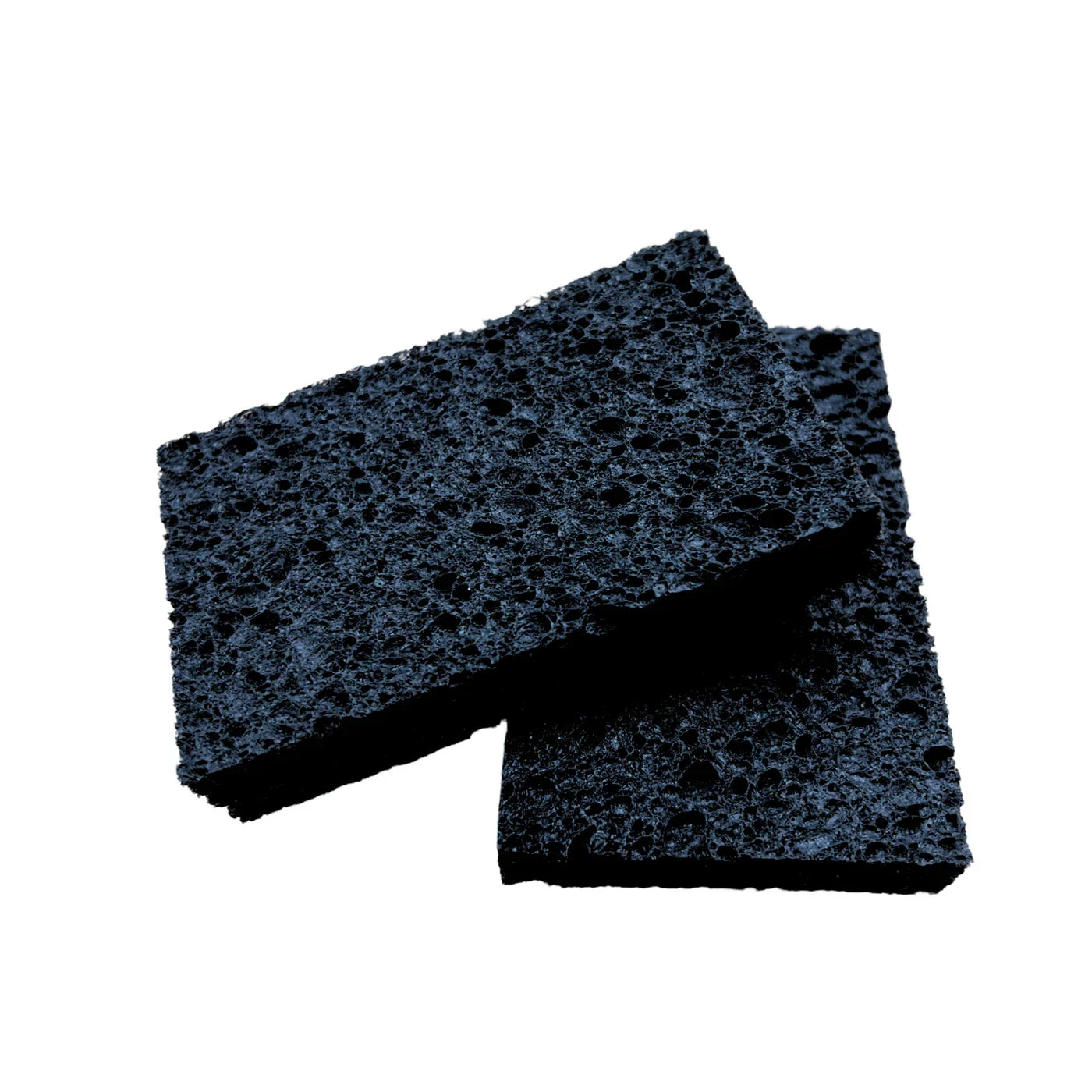
- Black, pack of 4. Compressed cardboard-thin, and it expands into a full-sized sponge the moment it touches water. 11cm x 7cm dry, 12cm x 7.5cm once wet. Compact to store, and it hides tea stains rather than showing them.
Key Features
- Fully compostable and biodegradable. Made from cotton and wood pulp.
- Dye-free and non-scratch. Safe on all surfaces.
- Highly absorbent. With a surprising ability to resist stains.
- No plastic foam. And no synthetic scourer layer.
- Cellulose sourced from Germany. Designed in Australia, assembled in China.
Pūrē Standard
- It is not plastic, which is the entire point. A conventional kitchen sponge is polyurethane foam. It sheds microplastics down the drain every time you use it, and it goes to landfill at the end. This is wood pulp and cotton, and it composts.
- Dye-free, which is rarer than it sounds. Most coloured sponges are dyed foam. The white is undyed, and the black colour comes without a synthetic scourer layer.
- Non-scratch on every surface. No abrasive backing, so it will not haze glass, mark stone or scratch a coated pan.
- An honest note on packaging. The black pack is plastic-free. The white sponges are moist by nature and Barkly Basics say they require plastic wrapping to retain that moisture, so this product does not carry our Plastic Free tag. The sponges themselves are compostable in both cases.
- Where we would like more. Barkly Basics name the fibres and the cellulose origin but do not publish a full material breakdown.
Overall score:
| Category | Score |
|---|---|
| Performance | ⭐⭐⭐☆☆ (3.5/5) |
| Low-Tox & Material Safety | ⭐⭐⭐⭐⭐ (5/5) |
| Sustainability | ⭐⭐⭐⭐☆ (4.5/5) |
| Manufacturing Transparency | ⭐⭐⭐⭐☆ (4/5) |
| Packaging | ⭐⭐⭐☆☆ (3.5/5) |
Care Instructions
- Soak the black ones first. They arrive compressed, and expand in water before first use.
- Rinse under warm water straight after use. That is what keeps cellulose stain-free.
- Wring out and stand it up to dry. Rather than leaving it flat in the sink.
- Compost it at end of life. It is fully biodegradable.
Product Details
- Material. Natural wood pulp and cotton fibres. No plastic foam, no synthetic scourer layer, no dye.
- White. Pack of 3. 12cm x 7cm x 2cm. Standard moist cellulose sponge.
- Black. Pack of 4. Compressed, 11cm x 7cm dry and 12cm x 7.5cm expanded.
- Origin. Designed in Australia. Cellulose sourced from Germany. Assembled in China.
Choose options
For Christmas, order by 16 December, or 18 December in WA. All dates
Our Take
A kitchen sponge made of wood pulp and cotton rather than plastic foam, so it composts instead of shedding microplastics down the drain for a fortnight and then going to landfill.
Pūrēly Organic
Good to know
Frequently asked
What is the difference between the white and the black?
The white is a standard moist cellulose sponge in a pack of 3, ready to use. The black is compressed cardboard-thin in a pack of 4, and expands into a full-sized sponge the moment it touches water. Both are cotton and wood pulp, non-scratch and dye-free.
Is it really compostable?
Yes. It is wood pulp and cotton fibre with no plastic foam and no synthetic scourer layer, so it fully biodegrades. A conventional sponge is polyurethane foam, which sheds microplastics every time you use it.
Will it scratch my pans or benchtops?
No. There is no abrasive backing, so it will not haze glass, mark stone or scratch a coated pan.
Is the packaging plastic free?
The black pack is. The white sponges are moist by nature and Barkly Basics say they require plastic wrapping to retain that moisture, so this product does not carry our Plastic Free tag. The sponges themselves compost either way.
How do I make it last?
Rinse under warm water straight after wiping up, which is what keeps cellulose stain-free, then wring it out and stand it up to dry rather than leaving it flat in the sink.
Where is it made?
Designed in Australia, with cellulose sourced from Germany and assembly in China.
