
Oat Milk Glass Dip Bowls
Glass Lids, Not Plastic
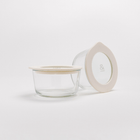
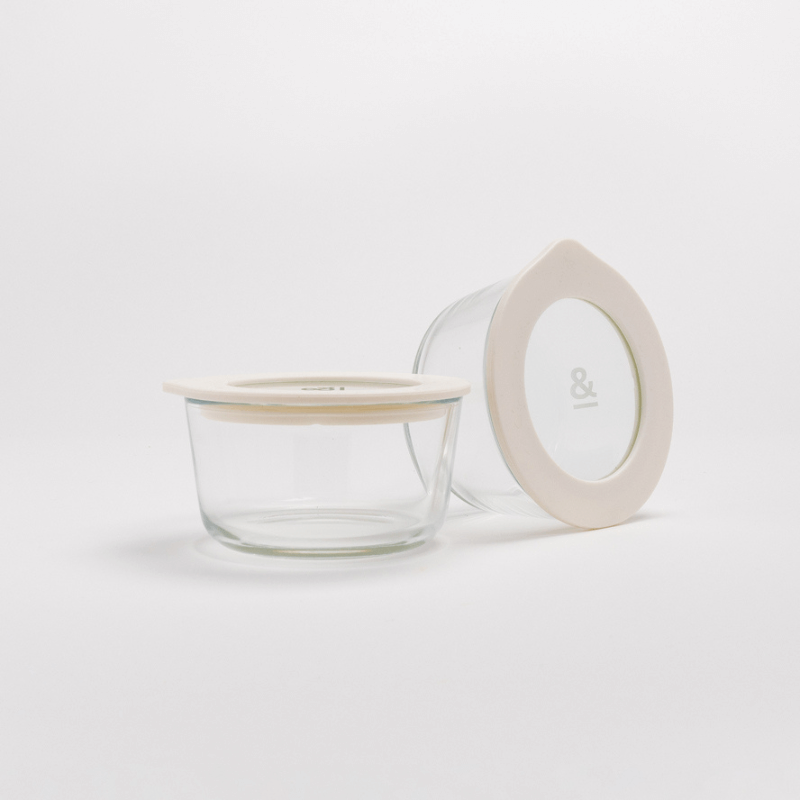
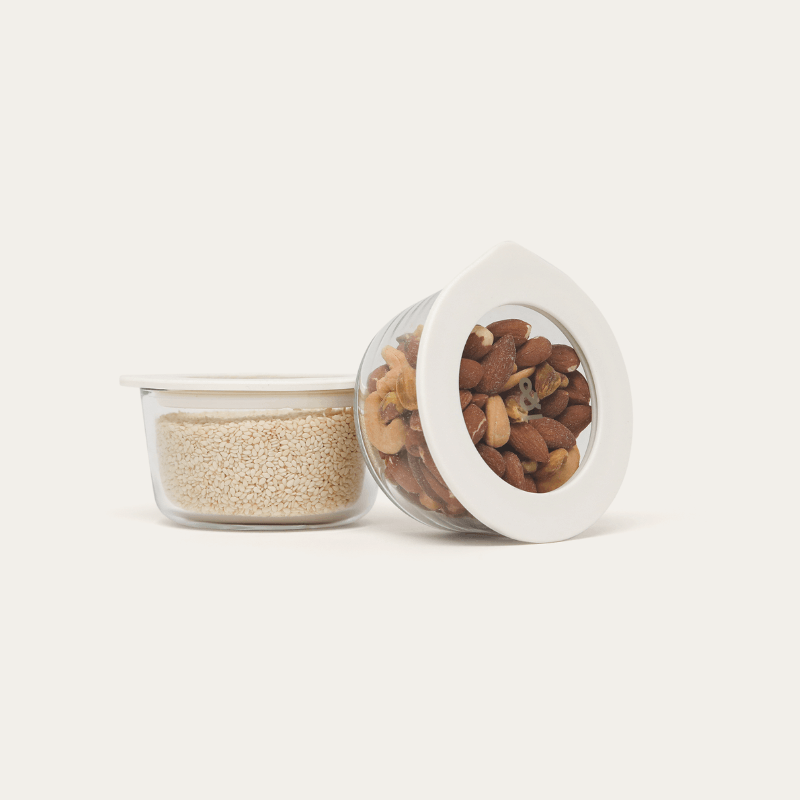
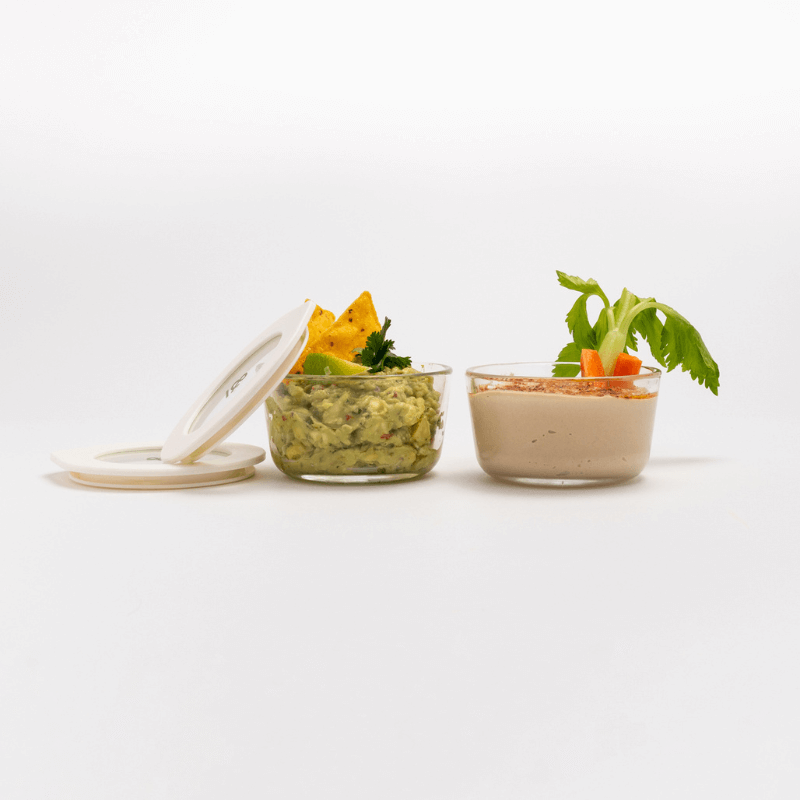
Two borosilicate bowls with glass lids, so the lid that touches your food is glass too, and they go from fridge to oven.
- Glass lids, because the lid touches food
- Minus 40 to 250 degrees, oven safe
- 236ml each, 10cm across
- LFGB-certified silicone seal
For Christmas, order by 16 December, or 18 December in WA. All dates
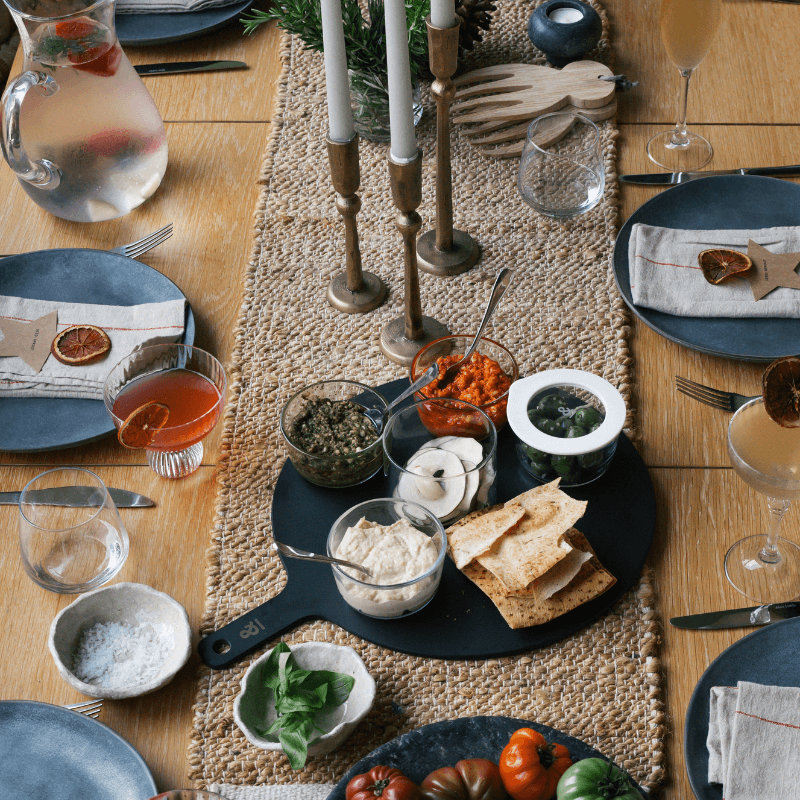
Two 236ml borosilicate glass bowls with glass lids, not plastic ones, sealed with LFGB-certified silicone. Serve the dip, lid it, and it goes in the fridge, the freezer, the microwave, the oven or the air fryer without changing containers.
Key Features
- Glass lids, not plastic. The lid touches the food too.
- Borosilicate base, minus 40 to 250 degrees. Oven and air fryer safe.
- 236ml each, 10cm across. Dip, sauce, leftovers, lunch.
- LFGB-certified silicone seal. The only non-glass part.
- Dishwasher safe. Both pieces.
Pūrē Standard
- The lid is glass. Almost every glass container sold has a plastic lid, and that lid is what sits against hot food in the microwave.
- Borosilicate, not soda-lime, in the base. It takes real heat without shocking, which is why it can go in an air fryer.
- Inert from end to end. Glass does not stain, hold smell or react with acid. Twelve months of tomato will not change it.
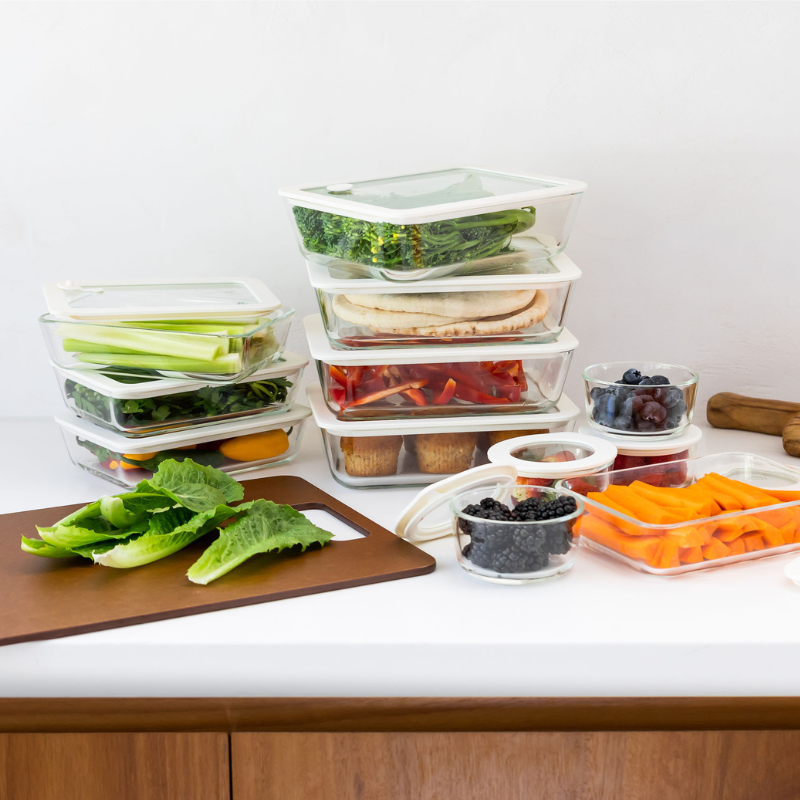
- One container, five jobs. Serving, fridge, freezer, reheating, lunch. Fewer objects bought.
- The seal is silicone, and we say so. It is a discrete LFGB-certified gasket, not a binder mixed through the material. Disclosed, not argued.
- Where we would like more. China is named, but no factory audit is published.
Overall score:
| Category | Score |
|---|---|
| Performance | ⭐⭐⭐⭐☆ (4/5) |
| Low-Tox & Material Safety | ⭐⭐⭐⭐⭐ (5/5) |
| Sustainability | ⭐⭐⭐⭐☆ (4/5) |
| Manufacturing Transparency | ⭐⭐⭐⭐☆ (4/5) |
| Packaging | ⭐⭐⭐☆☆ (3/5) |
Care Instructions
- Dishwasher or hand wash. Both pieces are fine either way.
- Vent the lid in the microwave. Sit it on loosely rather than sealed.
- Keep turmeric and beetroot off the lid. Heavily pigmented food can mark the seal.
- Soak stains in baking soda. Warm water and bicarb lifts most marks.
Product Details
- Base. Borosilicate glass, minus 40 to 250 degrees Celsius.
- Lid. Semi-tempered soda-lime glass, to 120 degrees Celsius.
- Seal. LFGB-certified, FDA-approved silicone.
- Size. Two bowls, 236ml each, 10cm diameter x 5.5cm high.
- Made in. China. Shipped plastic free.
Choose options
For Christmas, order by 16 December, or 18 December in WA. All dates
Our Take
The lid is the thing worth paying for. Nearly every glass container comes with a plastic one, and that is the part pressed against hot food in the microwave.
Pūrēly Organic
Good to know
Frequently asked
Can glass dip bowls go in the oven or air fryer?
Yes. The borosilicate base is rated minus 40 to 250 degrees Celsius, so oven and air fryer are both fine. The glass lid is rated to 120 degrees, so take it off for anything hot.
Are the lids glass or plastic?
Glass, semi-tempered soda-lime, with an LFGB-certified silicone seal. That is unusual. Most glass storage is sold with a plastic lid, which defeats the point.
Can they go in the microwave?
Yes, with the lid sitting on loosely rather than sealed so steam can escape. Both the base and the lid are glass, so there is no plastic heating against the food.
Are they plastic free?
There is no plastic in them. The one non-glass component is a discrete LFGB-certified silicone gasket in the lid, which we disclose rather than hide.
How big are they?
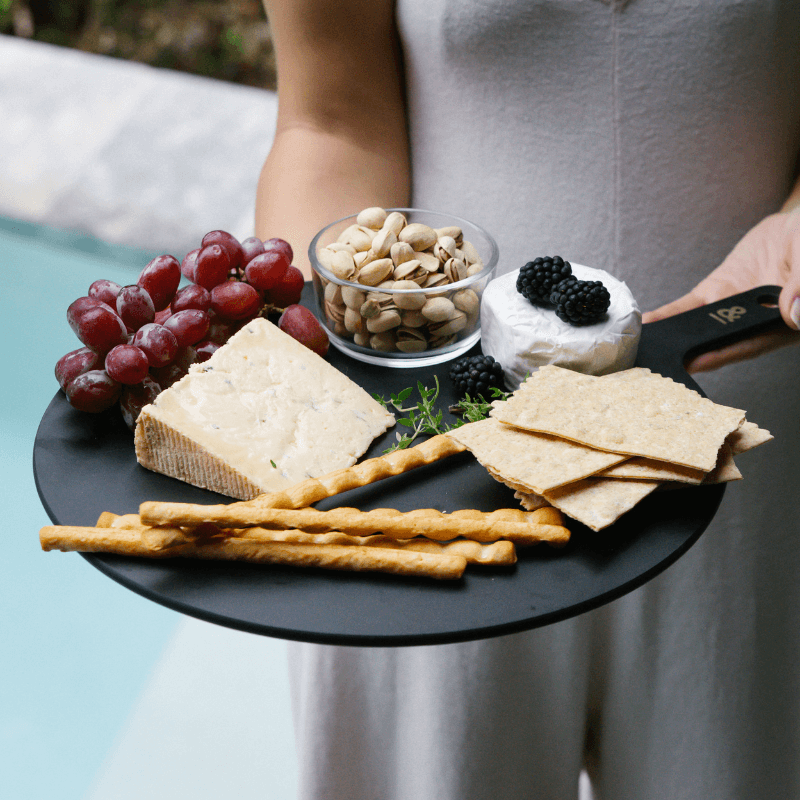
Two bowls, 236ml each, 10cm across and 5.5cm high. That is a generous dip portion, a lunchbox side or a single serve of leftovers.
Will they stain?
The glass will not. Heavily pigmented food like turmeric or beetroot can mark the silicone seal over time, so keep those off the lid. A warm baking soda soak lifts most marks.