
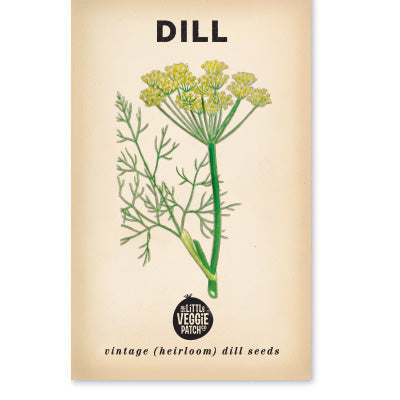
Common Dill Seeds
Heirloom, Two Crops in One
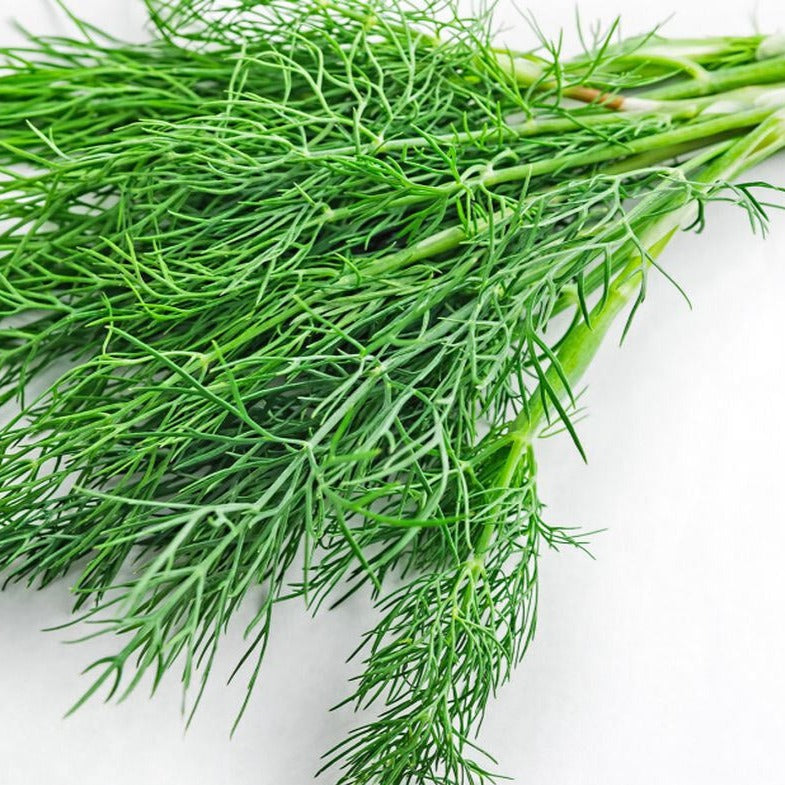
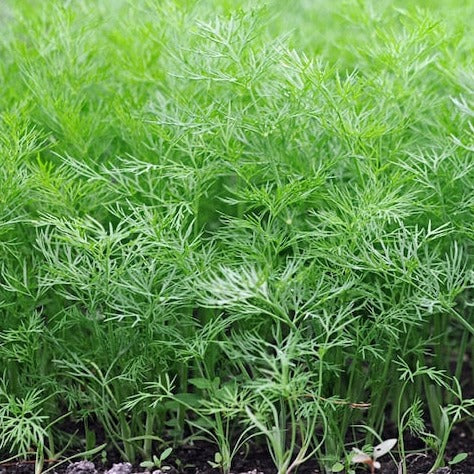
An annual from the celery family, grown for both the feathery leaf and the dried seed head.
- About 100 seeds per packet
- Two crops: leaf and seed heads
- A genuine companion plant
- Heirloom, so you can save seed
For Christmas, order by 16 December, or 18 December in WA. All dates
An annual herb from the celery family, grown for both its feathery leaf and its dried seed. It suits cool and warm season planting, but it needs to be set outside the more severe parts of either, because dill bolts the moment it is uncomfortable. Get the timing right and it is one of the easiest things in the patch. Roughly 100 seeds in a packet.
Key Features
- Approximately 100 seeds per packet. Enough for a long season.
- Heirloom variety. So you can save seed from mature plants.
- Two crops from one plant. Leaf foliage and dried seed heads.
- A genuine companion plant. For brassicas, lettuce and cucumber.
- Cool and warm season. In the shoulders of each, not the peak.
Pūrē Standard
- Two crops from one plant. The feathery leaf for fish, pickles and potatoes, then the dried seed heads later. Few herbs give you two distinct ingredients from a single sowing.
- It earns its place in a brassica bed. Dill is one of the companion plants that actually has a reputation worth something: it draws in the predatory insects that deal with the caterpillars on your cabbages and broccoli.
- Heirloom means it keeps going. Let a plant run to seed, which dill is only too willing to do, and you have next season's packet for free.
- An Australian small business that started in the ground. Little Veggie Patch Co began in 2008 installing raised garden beds in people's homes, and released their first heirloom seed range in 2009 with four tomato varieties. It now runs to more than 60.
- Where we would like more. Little Veggie Patch Co do not state whether their heirloom seed is chemically treated, and they publish no germination rate or packing date. Their organic range carries the Australian Organic bud; this heirloom packet does not.
Overall score:
| Category | Score |
|---|---|
| Low-Tox & Material Safety | ⭐⭐⭐⭐☆ (4/5) |
| Sustainability | ⭐⭐⭐⭐☆ (4.5/5) |
| Manufacturing Transparency | ⭐⭐⭐☆☆ (3.5/5) |
| Packaging | ⭐⭐⭐⭐☆ (4.5/5) |
How to Use
- Prepare the bed a fortnight ahead. Work a high level of organic matter into the soil: compost and well-rotted animal manure.
- Sow into free-draining soil. Well integrated with compost, or a good quality potting mix if you are growing in pots.
- Spacing, depth and pH. 30cm apart, 0.5 to 1cm deep, soil pH 5.5 to 7.5.
- Position. Full sun is preferred when growing through winter. Partial shade is better the rest of the year.
- If conditions are extreme. Propagate in a mini greenhouse and transplant once they improve.
- Dill is prone to bolting. Keep it well hydrated and out of direct, hot sun, and pick the leaf regularly.
When to Plant
- Dill does not follow the usual pattern. Little Veggie Patch Co give it two windows in the temperate zones, deliberately avoiding the peak of summer and the depth of winter.
- Zone 1, cool. March to April, and October to December.
- Zone 2, temperate. March to June, and September to November.
- Zone 3, subtropical. April to September.
- Zone 4, tropical. June to July.
- Perth and the south-west are Zone 2. So March to June or September to November. Melbourne, Sydney, Adelaide and most of the southern half of the country are Zone 2 as well.
Product Details
- Variety. Anethum graveolens, "Common", heirloom. Annual, celery family.
- Seed count. Approximately 100 per packet.
- Companion plants. All brassicas, lettuce and cucumber.
- Packaging. Plain paper seed packet.
- Sourcing. Little Veggie Patch Co source their seed locally and in small batches.
- Interstate customers. Some states restrict the entry of seed and plant material. Check your own state's plant biosecurity rules if you are unsure.
Choose options
For Christmas, order by 16 December, or 18 December in WA. All dates
Our Take
Feathery, fragrant dill that befriends every fish and pickle it meets. The catch is timing: dill bolts in the heat, so it wants the shoulders of the season rather than midsummer.
Pūrēly Organic
Good to know
Frequently asked
When should I sow dill in Perth?
Dill does not follow the usual pattern. Perth and the south-west are in Little Veggie Patch Co's Zone 2, which for dill means two windows: March to June, and September to November. It is deliberately kept out of the peak of summer and the depth of winter.
Why does my dill keep going to seed?
Dill is prone to bolting. Keep it well hydrated and out of direct, hot sun, and sow it in the shoulders of the season rather than midsummer. Little Veggie Patch Co suggest full sun when growing in winter, and partial shade the rest of the year.
How many seeds are in a packet?
Approximately 100.
How do I sow it?
A couple of weeks beforehand, work a high level of organic matter into the soil, such as compost and well-rotted animal manure. Sow into free-draining soil at 0.5 to 1cm deep, 30cm apart, at a soil pH of 5.5 to 7.5. If it is too hot or cold, propagate in a mini greenhouse and transplant once conditions improve.
Are these heirloom seeds?
Yes. Heirloom varieties come true from saved seed, so you can collect seed from a mature plant rather than buying another packet. Little Veggie Patch Co released their first heirloom seed range in 2009 and it now runs to more than 60 varieties.
What grows well nearby?
All brassicas, lettuce and cucumber. Dill is a genuinely useful companion plant for a brassica bed.
Are the seeds chemically treated?
Little Veggie Patch Co do not say either way for their heirloom seed. They describe their garlic as grown on a chemical-free farm but make no equivalent statement about seed, and they publish no germination rate or packing date. Their organic range carries the Australian Organic bud logo; this heirloom packet does not.
