Low-Tox Cleaning for Asthma and Sensitive Lungs
If you or someone at home lives with asthma, the cleaning cupboard is one of the first places worth rethinking. Many conventional sprays release fumes and synthetic fragrance that can tighten the chest and trigger a flare, often within minutes of use. The good news is that a calmer, lower-tox routine is simple to build, and it makes the whole house easier to breathe in.
Why cleaning products trigger asthma
Two culprits do most of the damage: synthetic fragrance and harsh volatile chemicals like chlorine bleach, ammonia, and strong solvents. These release particles and vapours into the air you then breathe in a closed room. For sensitive lungs, that is often enough to set off coughing, wheezing, or a full asthma response.
The goal is not just a cleaner surface. It is cleaner air in the room after you have finished.
What to look for instead
Choose products that are transparent about what is in them and free from the common triggers:
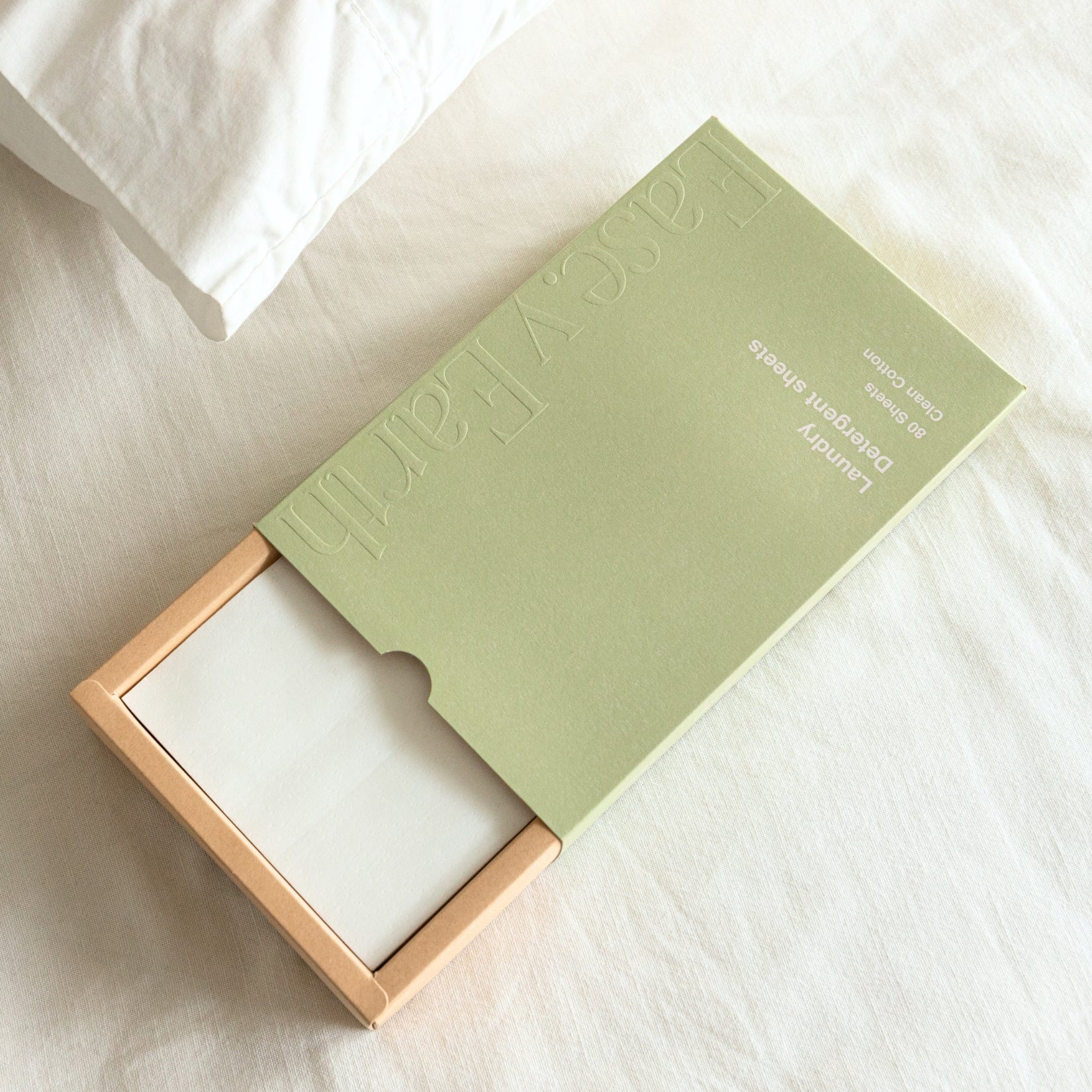
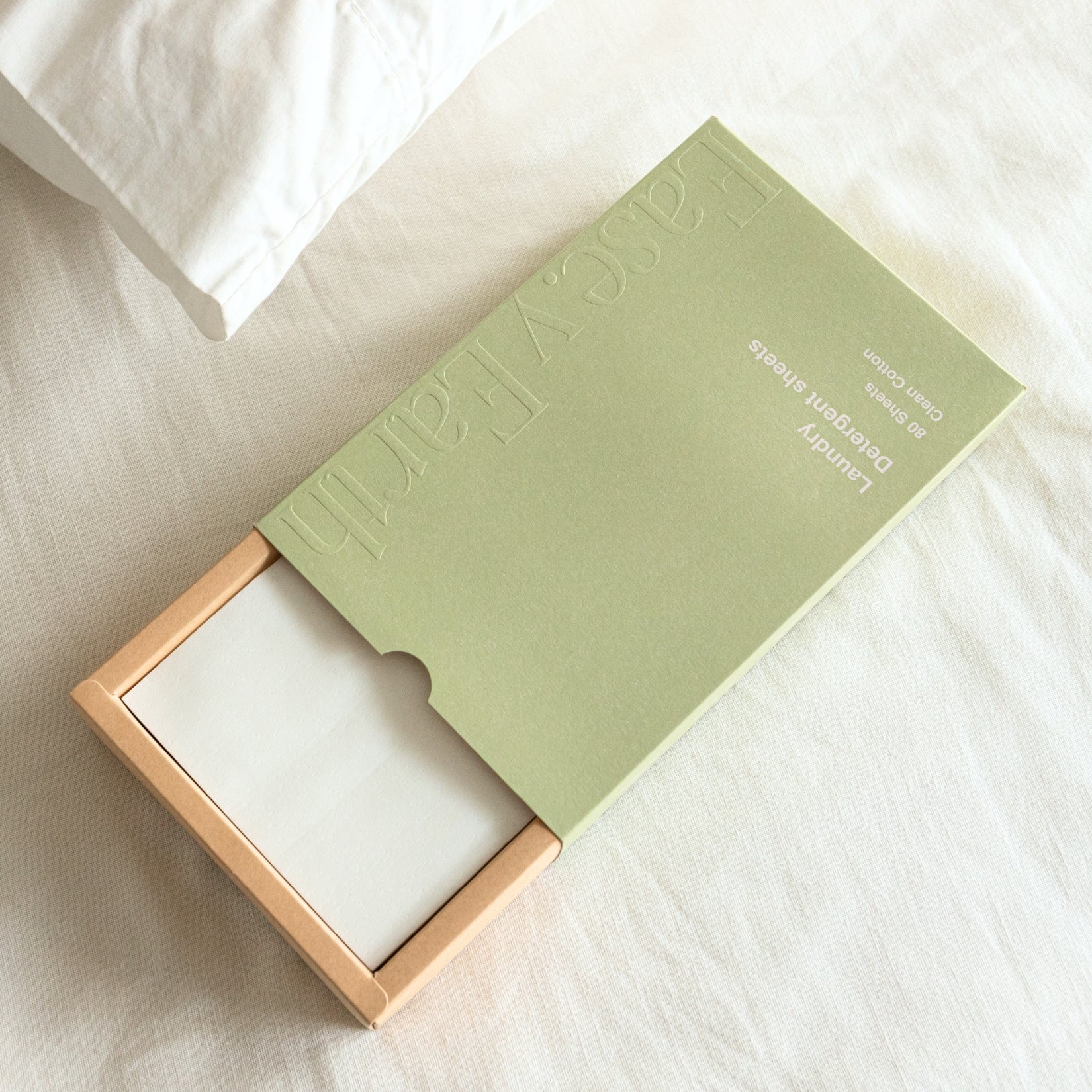
- Fragrance-free or essential-oil only. Skip anything listed simply as 'fragrance' or 'parfum'. Our fragrance-free edit is built for exactly this.
- No chlorine bleach or ammonia. Plant-based surfactants clean well without the airway irritation.
- Low-VOC, plant-derived formulas. Fewer fumes lingering after you clean.
Our asthma and respiratory collection gathers the products that meet these criteria in one place, so you are not reading the back of every bottle.
A few habits that help
Beyond the products themselves, small changes lower the load on your lungs:
- Open a window and ventilate while you clean, and for a while after.
- Use sprays sparingly, or wipe on with a cloth to cut airborne mist.
- Switch to plastic-free refills and concentrates so you are handling fewer strong products overall.
Breathe easier
You do not need a medical-grade overhaul. Start with the sprays you use in small, closed rooms (the bathroom and kitchen), move to fragrance-free where you can, and ventilate as you go. Within a couple of swaps, the air after cleaning feels noticeably softer. For a room-by-room approach to the rest of the home, read our free seasonal guide, and browse the full cleaning edit when you are ready.

Written by Felicia Byrne